Behind the craft
Marble inlay (pietra dura): how it is made and how to choose a piece
Silgar Enterprises · · 2 min read
The story of parchin kari, how artisans cut and set coloured stones into marble, and five simple checks to judge the quality of an inlay tabletop or gift.
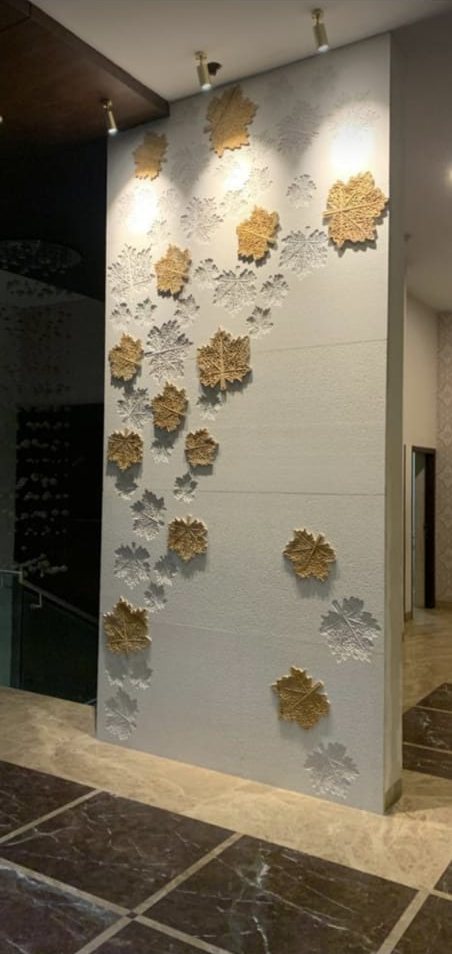
Marble inlay — called parchin kari in India and pietra dura internationally — is the art of setting thin pieces of coloured stone into white marble to create flowers, vines and geometric patterns. The craft flourished in Mughal India, and the inlay on the Taj Mahal is its most famous example. It is still practised by artisan families, especially in Agra and Rajasthan.
How an inlay piece is made
- Design — the pattern is drawn on paper and transferred to the marble.
- Cutting the stones — thin slices of semi-precious and coloured stones such as lapis lazuli, malachite, carnelian, jasper, turquoise and mother-of-pearl are shaped by hand on a small grinding wheel, petal by petal.
- Carving the bed — the outline of every piece is carved into the marble to a precise depth.
- Setting — each piece is fixed into its bed and pressed level.
- Polishing — the whole surface is ground and polished until stone and marble feel like one smooth sheet.
A detailed tabletop can take an artisan several weeks.
How to judge quality
- Tight joints: run your finger across the surface — it should feel completely flat, with no gaps or ridges.
- Shading within petals: fine pieces use several shades of the same stone to give depth.
- Even polish: the marble and the inlaid stones should shine equally.
- Symmetry: repeated motifs should match closely.
- Honest materials: ask which stones are used; natural stone feels cool and heavy compared with resin.
Popular inlay pieces
- Tabletops — coffee, side and dining tables with floral borders or full medallions.
- Wall plates and panels — artwork for living rooms and entrances.
- Boxes, coasters and keepsakes — meaningful gifts for weddings and corporate events.
Caring for inlay
Inlay surfaces are polished marble, so the usual marble care rules apply: no acids, coasters under glasses and a soft cloth for cleaning. Tabletops used every day benefit from sealing once a year.
Commission your own
Choose a size, a base marble and a colour palette, or send us a design you love. Browse our gifting pieces and share your idea through the custom requirement form.